habitat
learn
Cognitive-accessibility software for higher education. I’m VP of Product — the publicly-facing work lives here.
350+ institutions · macOS · HIPAA-compliant
habitatlearn.com →Lecture capture, transcription, live captions, and an AI study assistant — used across 350+ colleges and universities including UC Berkeley, Harvard, and the University of Toronto.
A secure, on-device accessibility system built into the classroom itself. Universal captions and notes from week one — no student request required.
Multiple languages spoken simultaneously, unified into one caption stream in each viewer's language of choice.
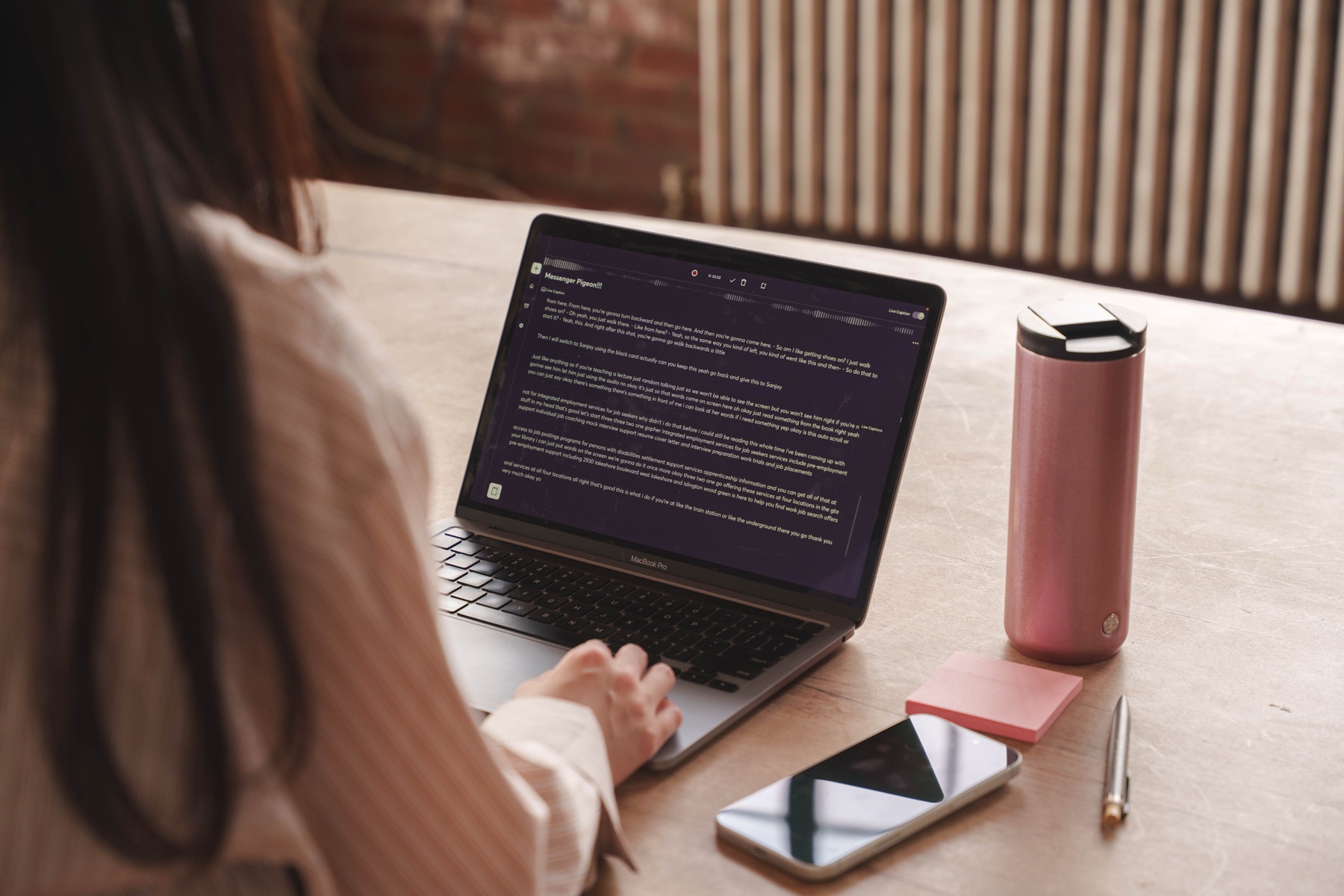
Lecture capture, instant searchable transcripts, live captions, AI or professional notes, human-like text-to-speech, and an AI Study Assistant that turns a forty-minute lecture into something a student can actually study from later.
Runs across 350+ colleges and universities — UC Berkeley, Harvard, the University of Toronto — and now available on Mac. HIPAA-compliant, WCAG-aligned, built on Zero-Retention AI so lecture content is never used to train models.
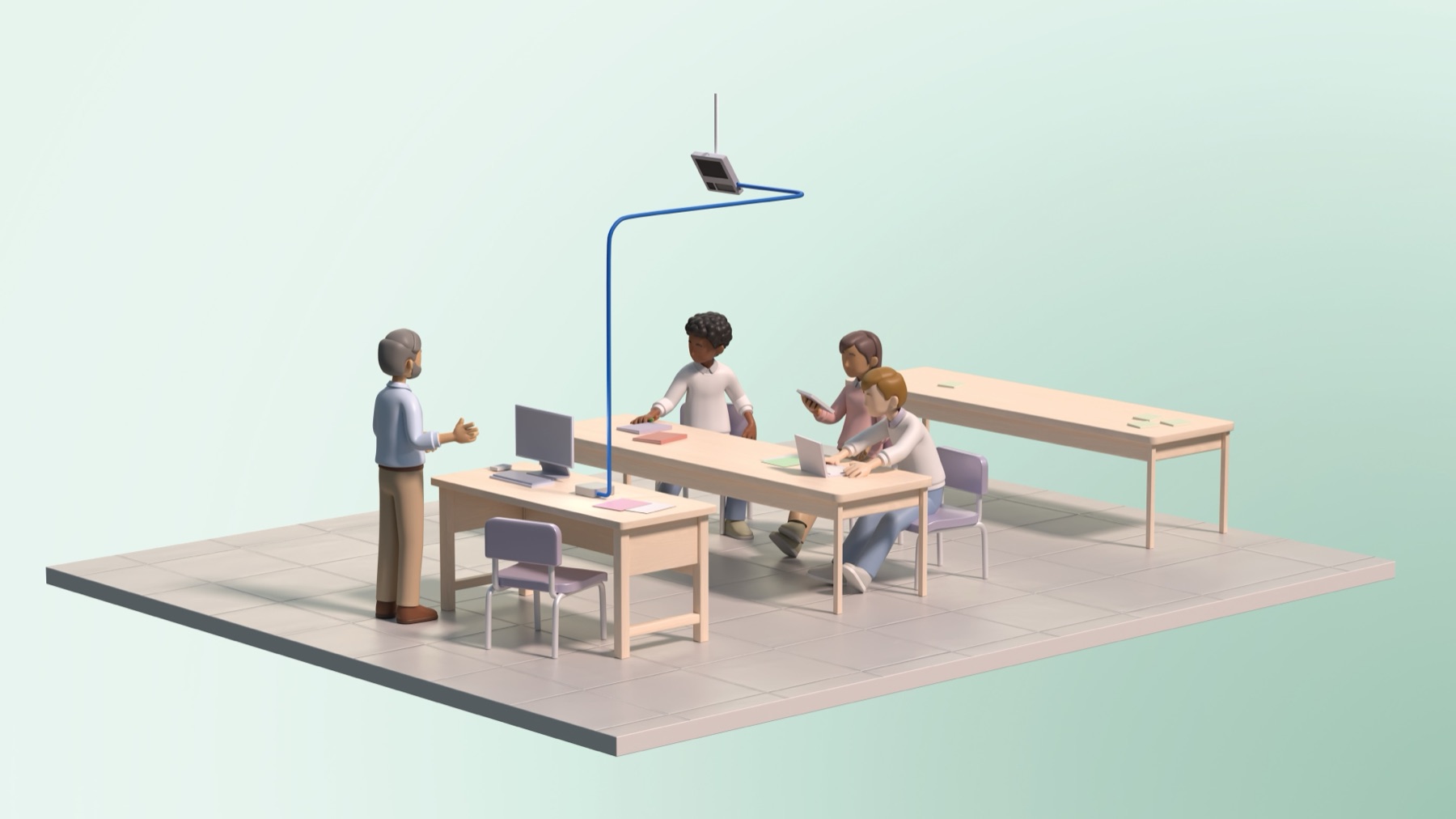
Podium moves accessibility from reactive accommodation to classroom infrastructure. An instructor starts a session from the podium; Apple hardware in the room captures the lecture and processes audio on-device — without sending data off-campus by default.
Captions and notes available to every student from week one. First pilot live at Humber College, built with faculty, IT, accessibility teams, and students as a repeatable, governance-ready model.
The first principle is listening
Habitat Learn ships software that helps students with cognitive disabilities access spoken instruction — captioning, note-taking, lecture capture, the infrastructure that turns a forty-minute lecture into something a student can actually study from later.
Before deciding what to ship, I spend time with accessibility leads, resource teachers, AT consultants, the students using current tools, and the staff frustrated by them. Frustration is where the signal is.
I had attention difficulties and undiagnosed cognitive differences in school. I found my way to working accommodations in university, mostly by accident, and the difference between before and after was enormous. The work I do at Habitat Learn is not separate from that experience — it's built on it.